
When it comes to improving energy efficiency, enhancing comfort, and adding privacy to your home, window films are an excellent solution. But not all window films are created equal. Homeowners often face the choice between traditional reflective silver window films and dual reflective window films—and understanding the differences can help you make the best decision for your space.
Let’s break down the key benefits of dual reflective window films and why they’re often the preferred choice for residential applications.
What Are Reflective Silver Window Films?
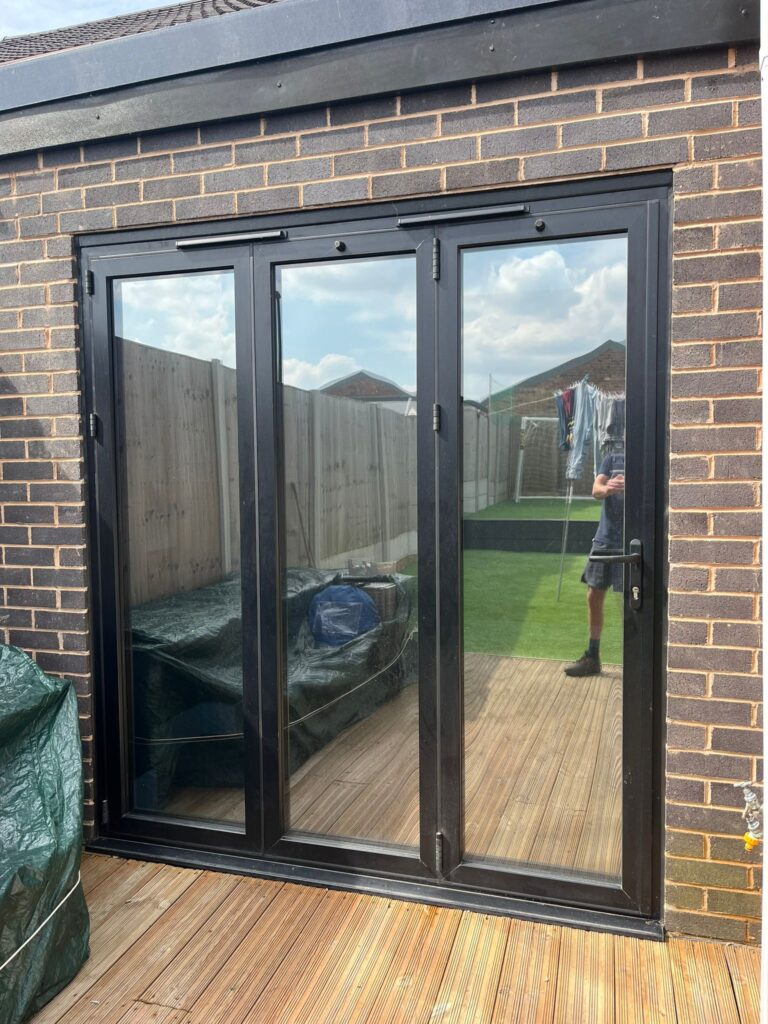
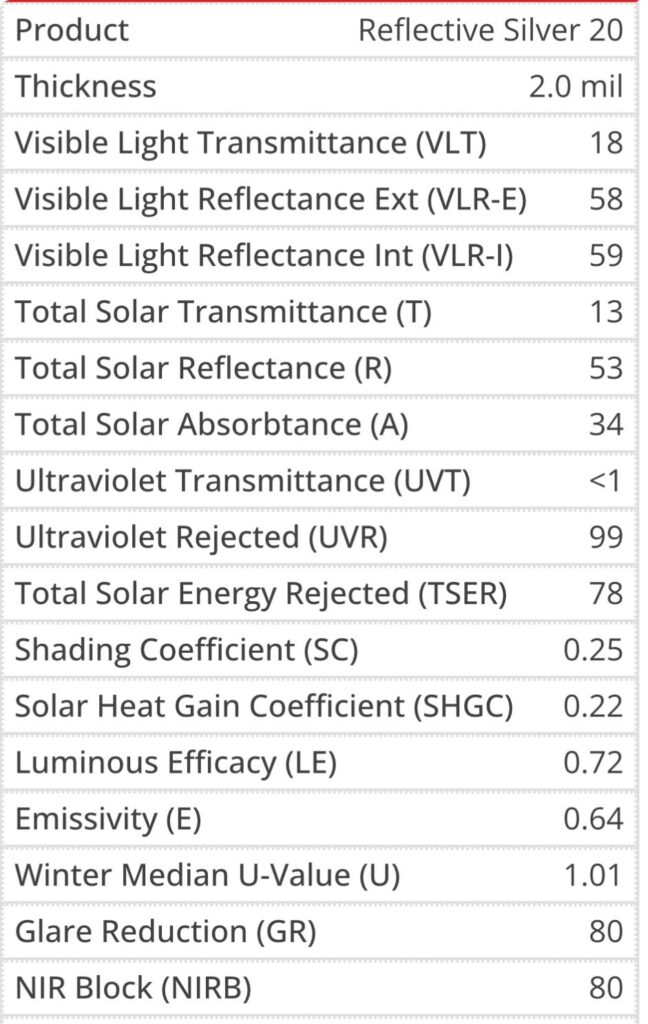
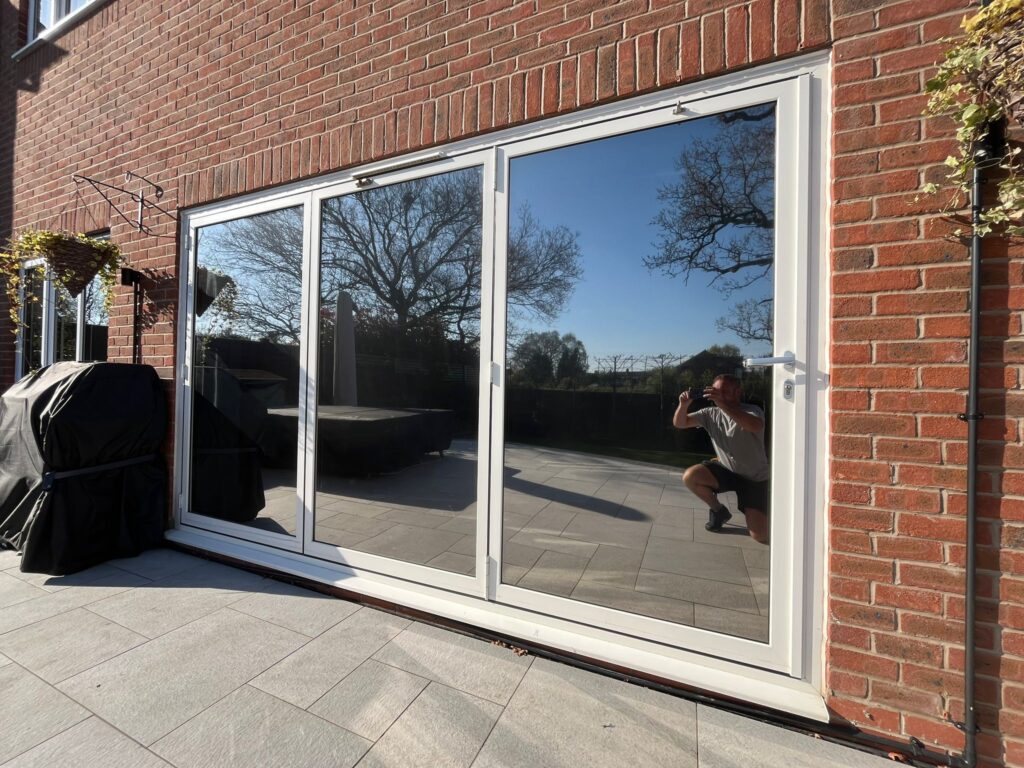
Reflective silver window films are known for their high reflectivity on both the interior and exterior surfaces. They do an excellent job of rejecting solar heat, reducing glare, and providing daytime privacy by creating a mirror-like finish on the outside.
Pros:
• Excellent heat rejection
• Effective glare reduction
• Strong daytime privacy
Cons:
• Highly reflective appearance both inside and out
• Can make rooms feel darker
• Interior reflection at night can interfere with views


What Are Dual Reflective Window Films?
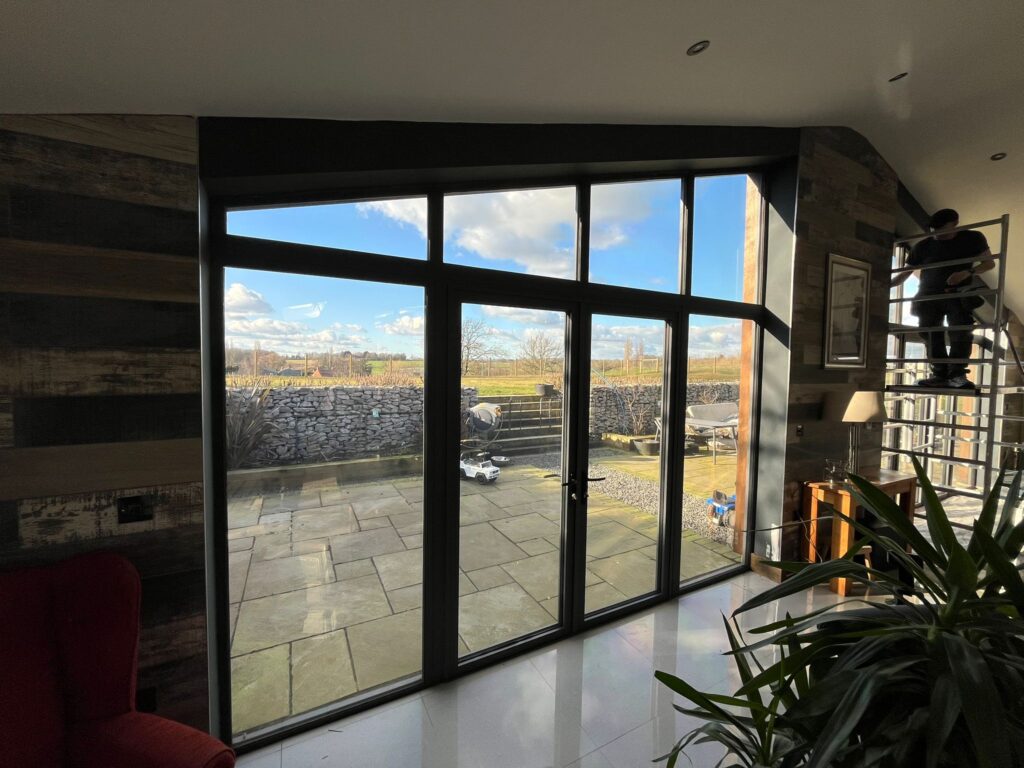
Dual reflective window films are engineered with two different levels of reflectivity:
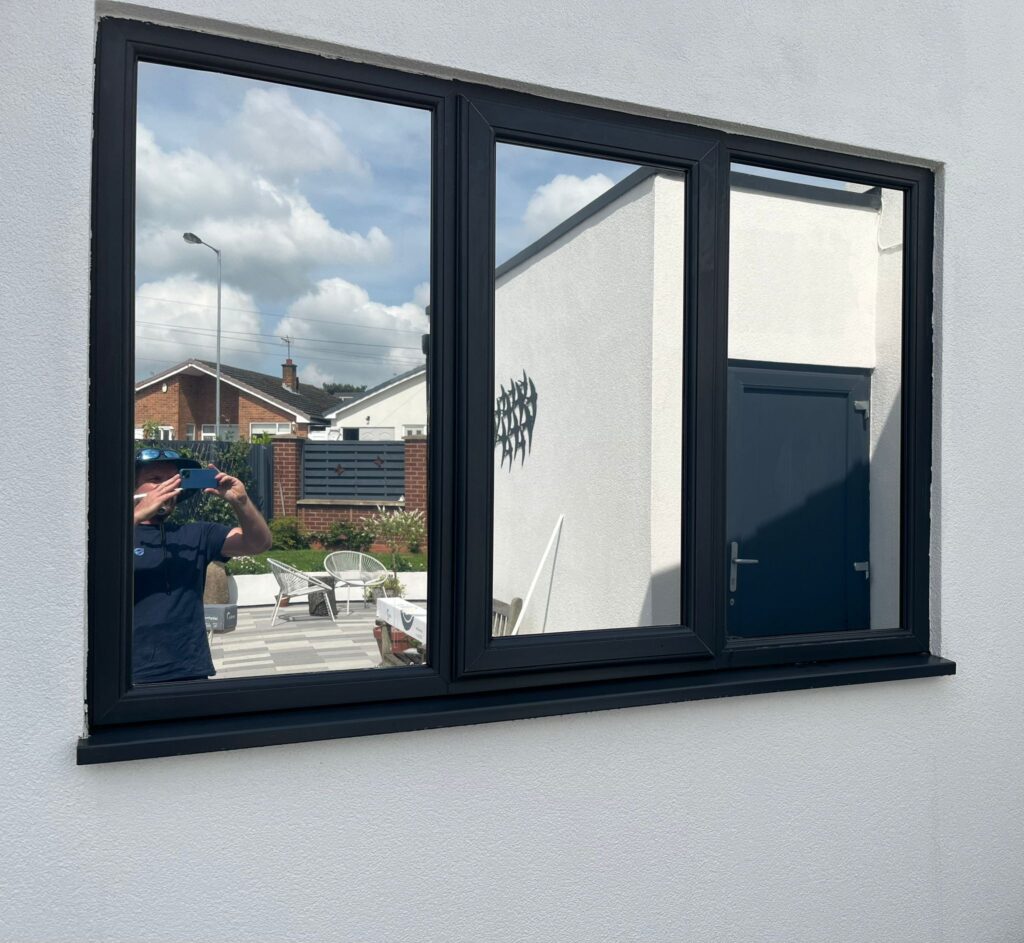
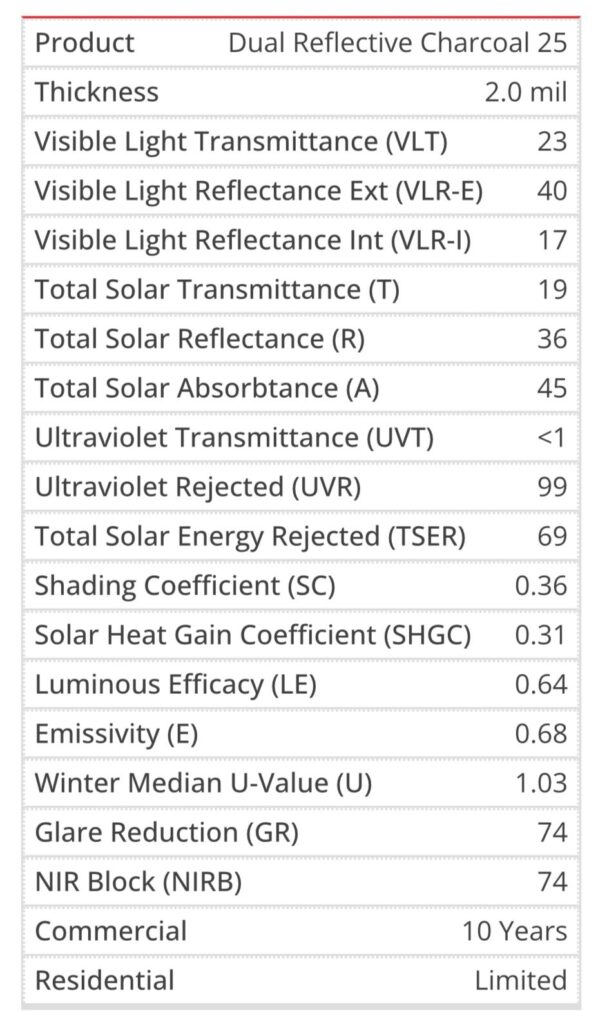
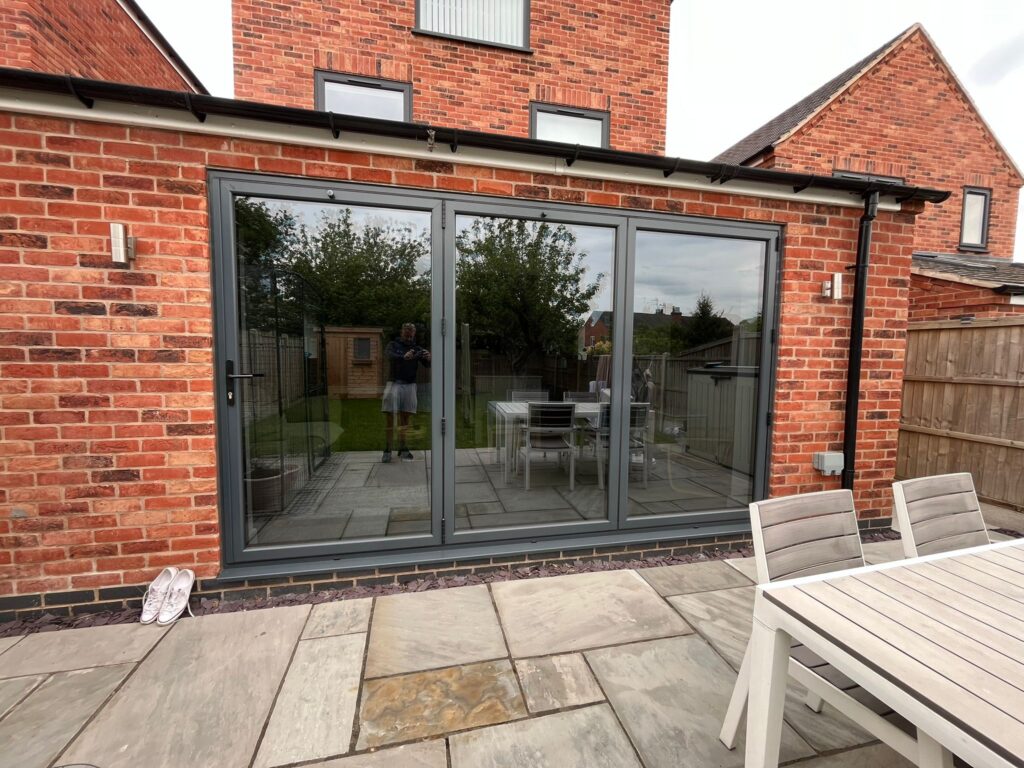
• Higher reflectivity on the exterior to block heat and glare
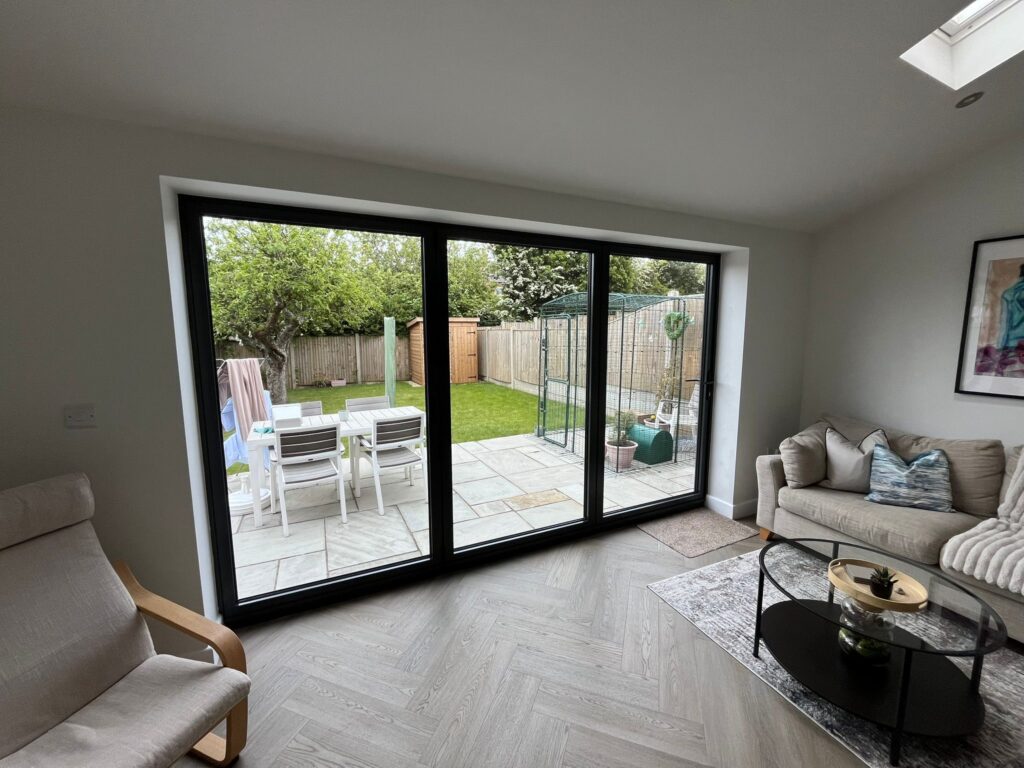
• Lower reflectivity on the interior to maintain a more natural, less “mirrored” look from inside the home



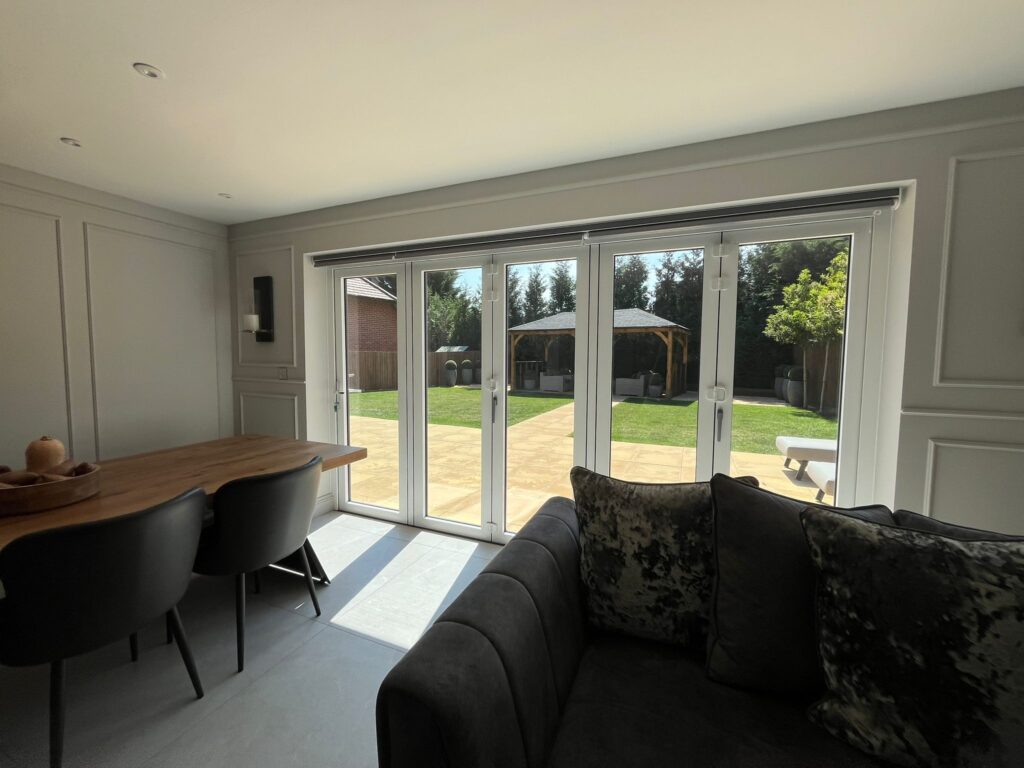


Benefits of Dual Reflective Films for Homeowners:
1. Clearer Nighttime Views
Unlike silver films, dual reflective films reduce the interior mirror effect, allowing you to enjoy better visibility out of your windows at night. This is especially important in living spaces where you want to see your backyard, city lights, or simply not feel closed in after sunset.
2. Enhanced Aesthetic Appeal
Dual reflective films maintain a more neutral, less shiny look from inside the home, blending in beautifully with most interior designs. From the outside, they still offer the modern, slightly tinted appearance homeowners often want for added privacy.
3. Balanced Heat and Glare Control
These films offer excellent heat rejection and glare reduction, helping to keep your home cooler and more comfortable—similar to silver films but without the overly reflective drawbacks.
4. UV Protection
Both film types block up to 99% of harmful UV rays, protecting your furniture, flooring, and artwork from fading. Dual reflective films do this while preserving your views and home ambiance.
5. Energy Savings
By reducing heat gain, dual reflective films help lower the strain on your air conditioning system, which can lead to noticeable energy savings, especially during the summer months.
Why Dual Reflective Films Are a Better Fit for Homes
While silver reflective films are still widely used, they tend to be better suited for commercial buildings where maximum solar control and a mirrored appearance are often desired. For homeowners, the comfort, aesthetics, and nighttime visibility offered by dual reflective window films typically make them the smarter, more livable choice.
Quick Comparison:
| Feature | Reflective Silver | Dual Reflective |
| Heat Rejection | ✅ Excellent | ✅ Excellent |
| Glare Reduction | ✅ Excellent | ✅ Excellent |
| Daytime Privacy | ✅ Strong | ✅ Strong |
| Nighttime Visibility | ❌ Poor | ✅ Good |
| nterior Aesthetics | ❌ Shiny/Mirrored | ✅ Natural |
Final Thoughts
If you’re looking to enhance your home’s comfort, privacy, and energy efficiency without compromising your view or interior design, dual reflective window films are often the ideal solution. They offer the best of both worlds: the powerful performance of reflective films with the softer, more inviting feel that homeowners love.
Ready to explore your options?
Contact us today for a free consultation and let’s find the perfect window film solution for your home!
